FALSE: Photo does not show the drought situation in Embolioi, Kajiado County, in October 2022
 Admin
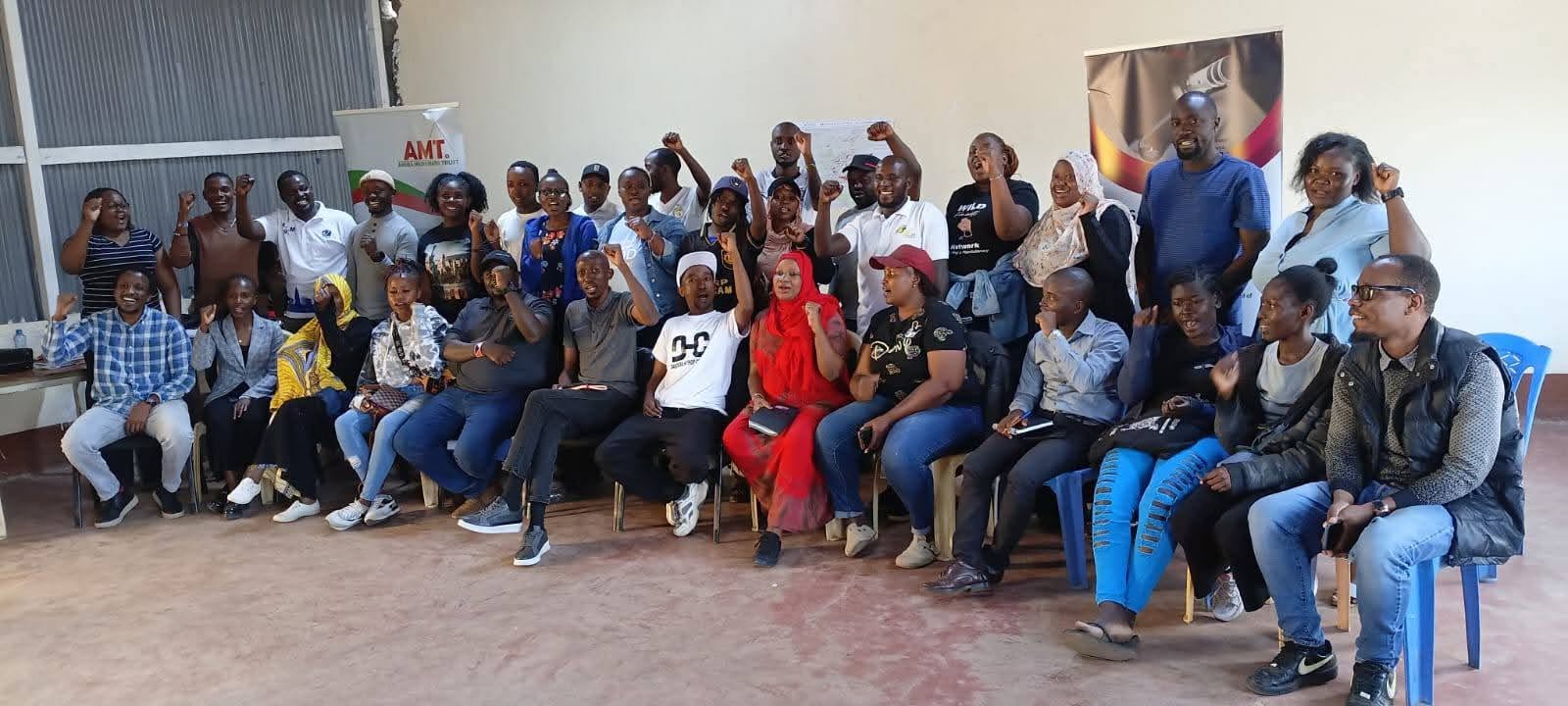
Admin A stakeholders’ roundtable discussion on Sexual and Gender Based Violence (SGBV) reporting and response was convened in Mukuru and conducted at VICCO in Viwandani. The forum brought together police officers from the Gender Desks of Kwa Reuben, Njenga, AA, Villa, and Kware Police Stations, alongside community SGBV opinion holders, grassroots leaders, and civil society actors working within Mukuru.
The objective of the discussion was to assess current SGBV reporting mechanisms, identify gaps in community police engagement, and explore practical ways of improving reporting, response, and survivor support. The forum provided a safe and open space for dialogue, allowing both police and community members to share experiences, challenges, and expectations.
One of the key discussions focused on the right channels for reporting SGBV cases. Police Gender Desk officers emphasized the importance of reporting cases promptly at the nearest police station, health facility, or through recognized community referral structures to preserve evidence and ensure timely intervention. Community members acknowledged that lack of information often leads to delayed or misdirected reporting.
The roundtable also highlighted the need for strengthening public trust in the police when handling SGBV cases. Participants noted that fear of stigma, victim blaming, and previous negative experiences discourage survivors from reporting incidents. Police representatives reaffirmed their commitment to survivor centered approaches, confidentiality, and professional conduct at the Gender Desks.
Another key issue discussed was the common flaws in how community members handle SGBV cases. These included attempts to resolve cases through informal negotiations, family mediation, or local settlements, practices that often deny survivors justice and expose them to continued abuse. Participants agreed that such approaches undermine the law and perpetuate cycles of violence.
The discussion further revealed significant knowledge gaps within Mukuru communities, particularly on what constitutes SGBV, the legal implications for perpetrators, and the availability of survivor support services. Cultural norms, misinformation, fear of retaliation, and economic dependence were identified as major barriers to reporting.
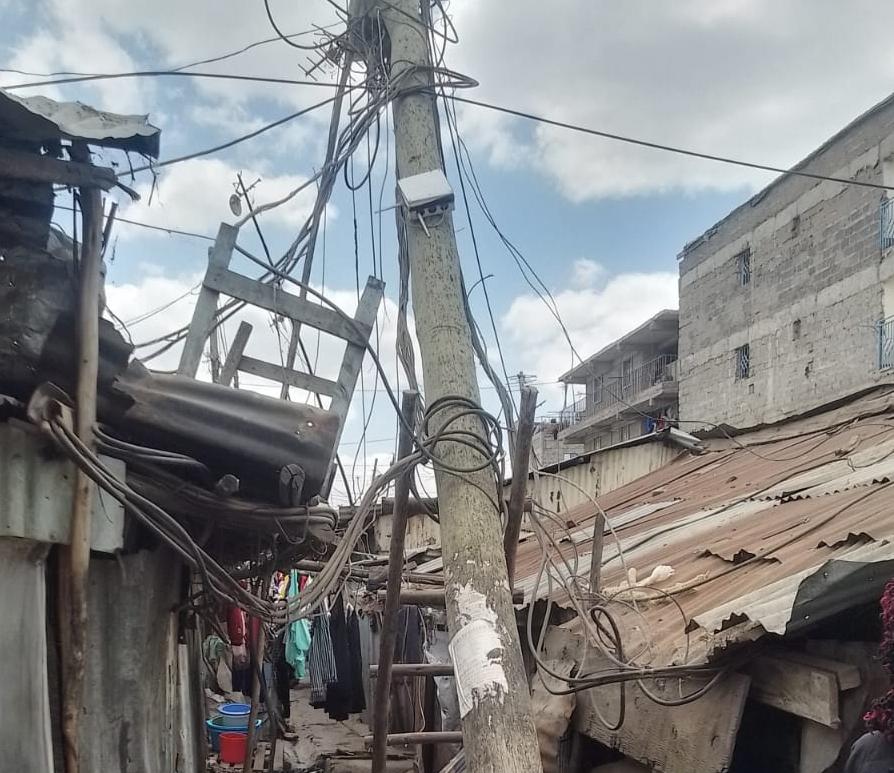
Participants also examined the unique challenges facing Mukuru, including overcrowding, poverty, substance and alcohol abuse, unemployment, and general insecurity, all of which increase vulnerability to SGBV. The high population density and transient nature of the area were noted as factors that complicate follow up, witness cooperation, and survivor protection.
The role of community structures such as community based organizations, community health promoters, youth groups, faith leaders, and community media was emphasized. These actors were recognized as critical in awareness creation, early identification of cases, referral of survivors, and shaping positive social norms around SGBV reporting in Mukuru.
The agreed way forward emphasized strengthened collaboration between the community and the police. Proposed actions included regular joint community forums, continuous public education on SGBV laws and reporting pathways, strengthened referral networks between police, health facilities, and psychosocial service providers, and increased visibility and accessibility of Police Gender Desks within Mukuru.
In conclusion, the roundtable underscored the importance of partnership, trust, and shared responsibility in addressing SGBV in Mukuru. By improving communication, enhancing community awareness, and reinforcing professional and survivor centered policing, stakeholders expressed optimism that the reporting, handling, and prevention of SGBV cases in Mukuru can be significantly improved.