FALSE: Photo does not show the drought situation in Embolioi, Kajiado County, in October 2022
 Admin
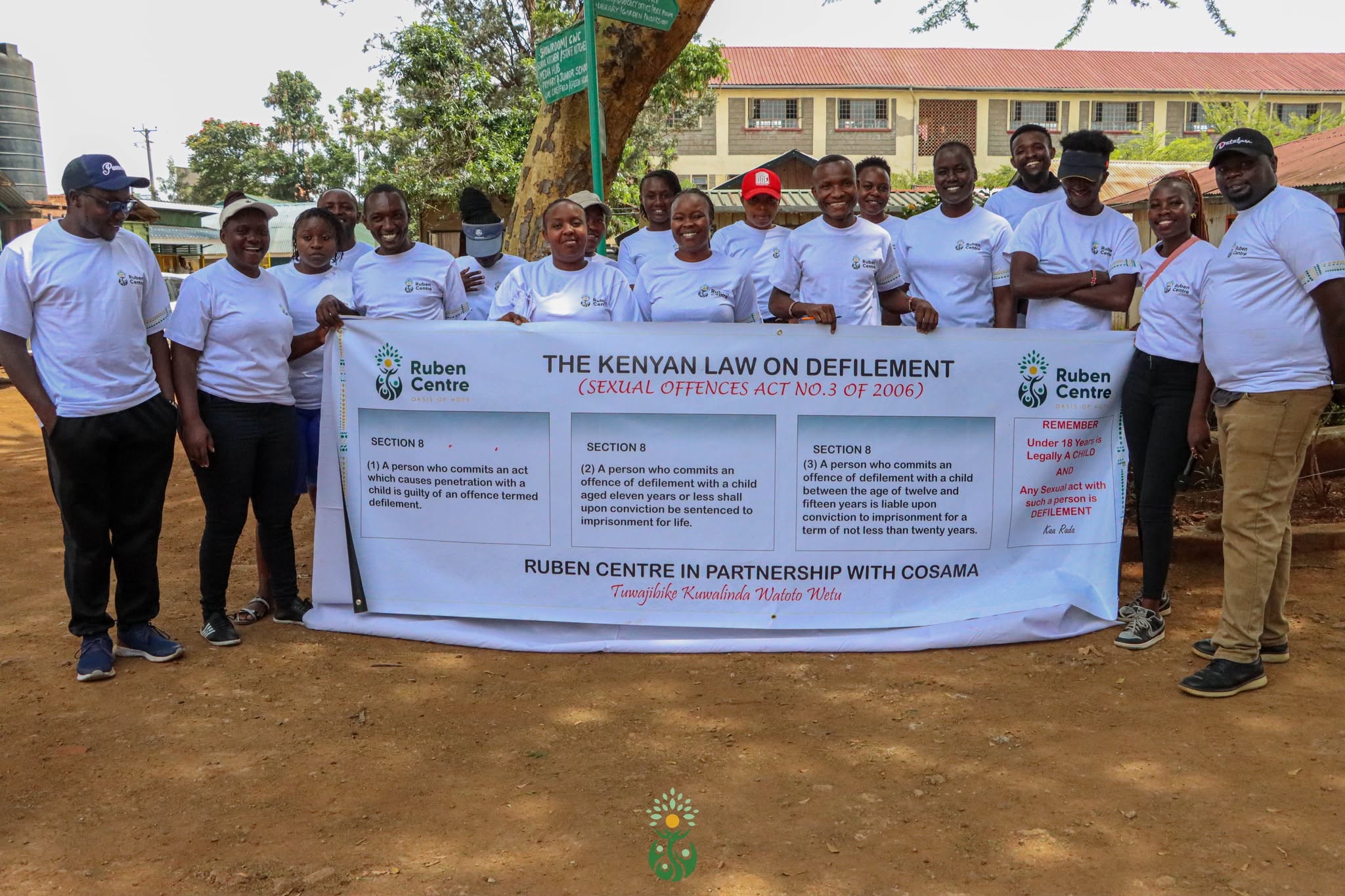
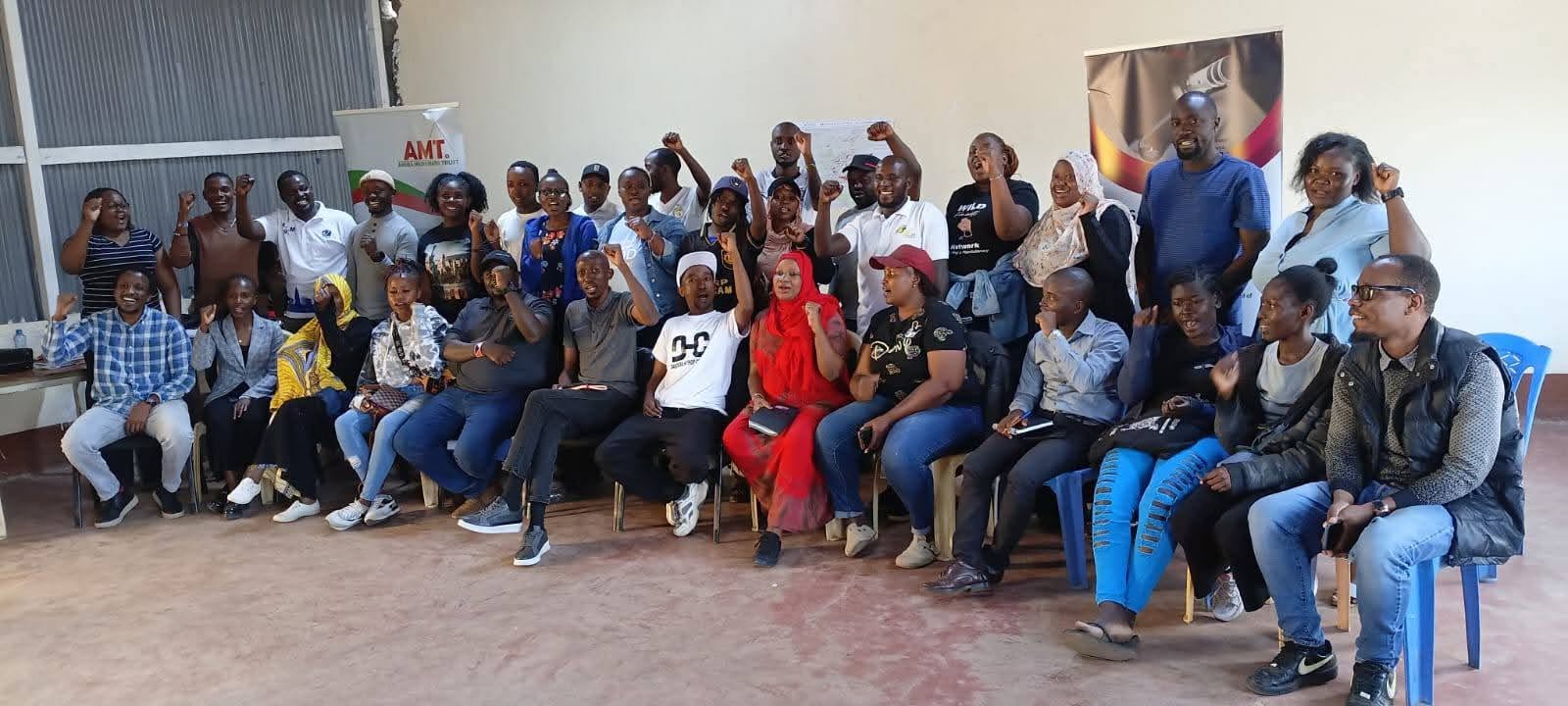
Admin A training session for 20 citizen journalists on Sexual and Gender-Based Violence (SGBV) reporting was successfully conducted at the Ruben Centre in Mukuru Kwa Reuben community. The training aimed at strengthening community based reporting mechanisms while equipping citizen journalists with the skills needed to report SGBV cases responsibly, ethically, and safely. The participants were identified as key community voices capable of influencing attitudes and promoting justice through accurate information sharing.
The training emphasized the critical role citizen journalists play in fostering effective SGBV reporting pathways within informal settlements like Mukuru Kwa Reuben. Participants were encouraged to act as champions of survivor-centered reporting, ensuring that their work supports survivors rather than exposing them to further harm, stigma, or retaliation.
A key focus of the training was sensitive and ethical reporting on SGBV. Facilitators highlighted the importance of respecting survivors’ dignity, privacy, and consent at all stages of reporting. Participants were guided on avoiding sensational language, graphic details, and victim-blaming narratives that can retraumatize survivors or discourage others from reporting.
The training also covered the principles of confidentiality and anonymity, stressing that survivor identities must never be disclosed without informed consent. Citizen journalists were cautioned against sharing identifiable information such as names, images, locations, or personal details that could expose survivors to danger or social stigma within the community.
Participants were further trained on the use of appropriate language when reporting SGBV cases. The sessions addressed harmful stereotypes and myths surrounding SGBV, urging citizen journalists to frame stories in a way that places responsibility on perpetrators and highlights systemic issues rather than blaming survivors.
Another critical area of discussion was the legal and institutional framework for SGBV reporting. Citizen journalists were introduced to the correct reporting channels, including police gender desks, health facilities, and community-based referral systems, enabling them to guide survivors accurately and responsibly.
The training underscored the importance of do no harm reporting, reminding participants that the safety and wellbeing of survivors must always come first. Citizen journalists were encouraged to assess risks before publishing any SGBV-related information and to prioritize survivor protection over news value.
Interactive sessions allowed participants to share real-life community experiences and challenges related to SGBV reporting in Mukuru Kwa Reuben. These discussions helped contextualize the training, highlighting barriers such as fear of retaliation, mistrust of authorities, and cultural stigma, while identifying practical solutions led by informed citizen journalists.
By the end of the training, participants committed to becoming SGBV reporting champions within the community. They pledged to promote accurate information, support survivors, challenge harmful norms, and collaborate with local institutions to strengthen reporting and response mechanisms.
The training concluded with a call to sustained engagement and mentorship for the citizen journalists. Strengthening their capacity to report SGBV sensitively and ethically is expected to contribute to improved community awareness, increased survivor confidence in reporting, and the overall promotion of justice and accountability in Mukuru Kwa Reuben community.