FALSE: Photo does not show the drought situation in Embolioi, Kajiado County, in October 2022
 Admin
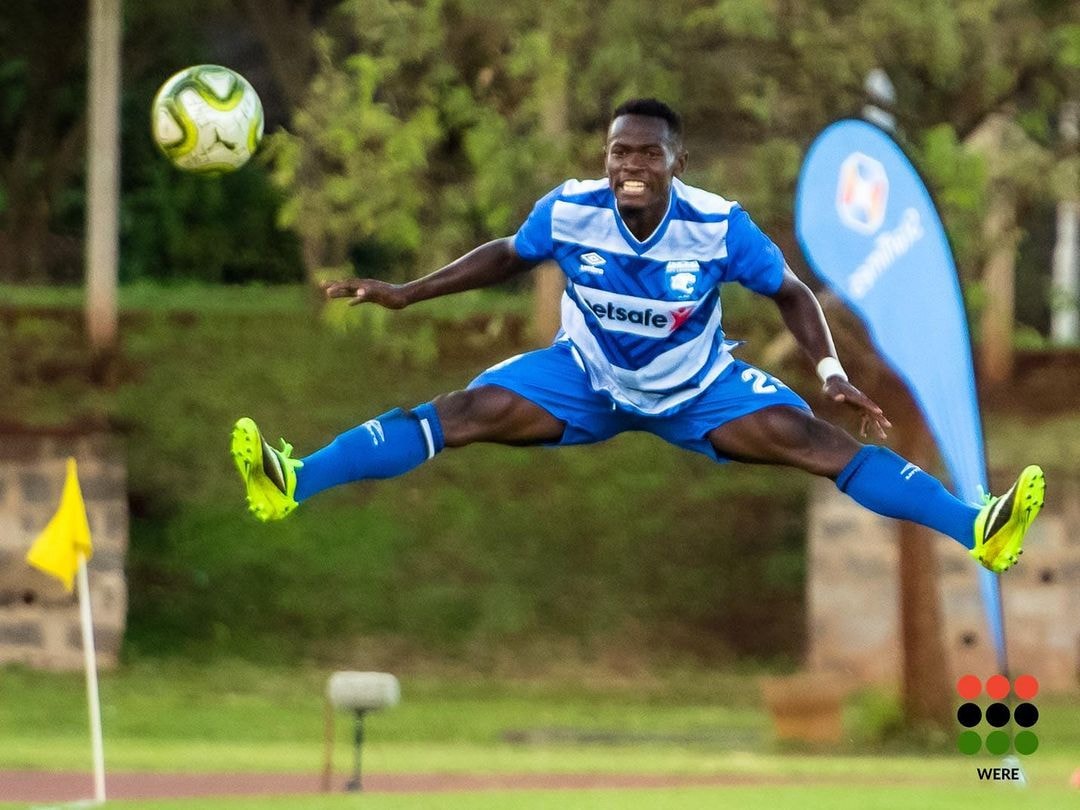
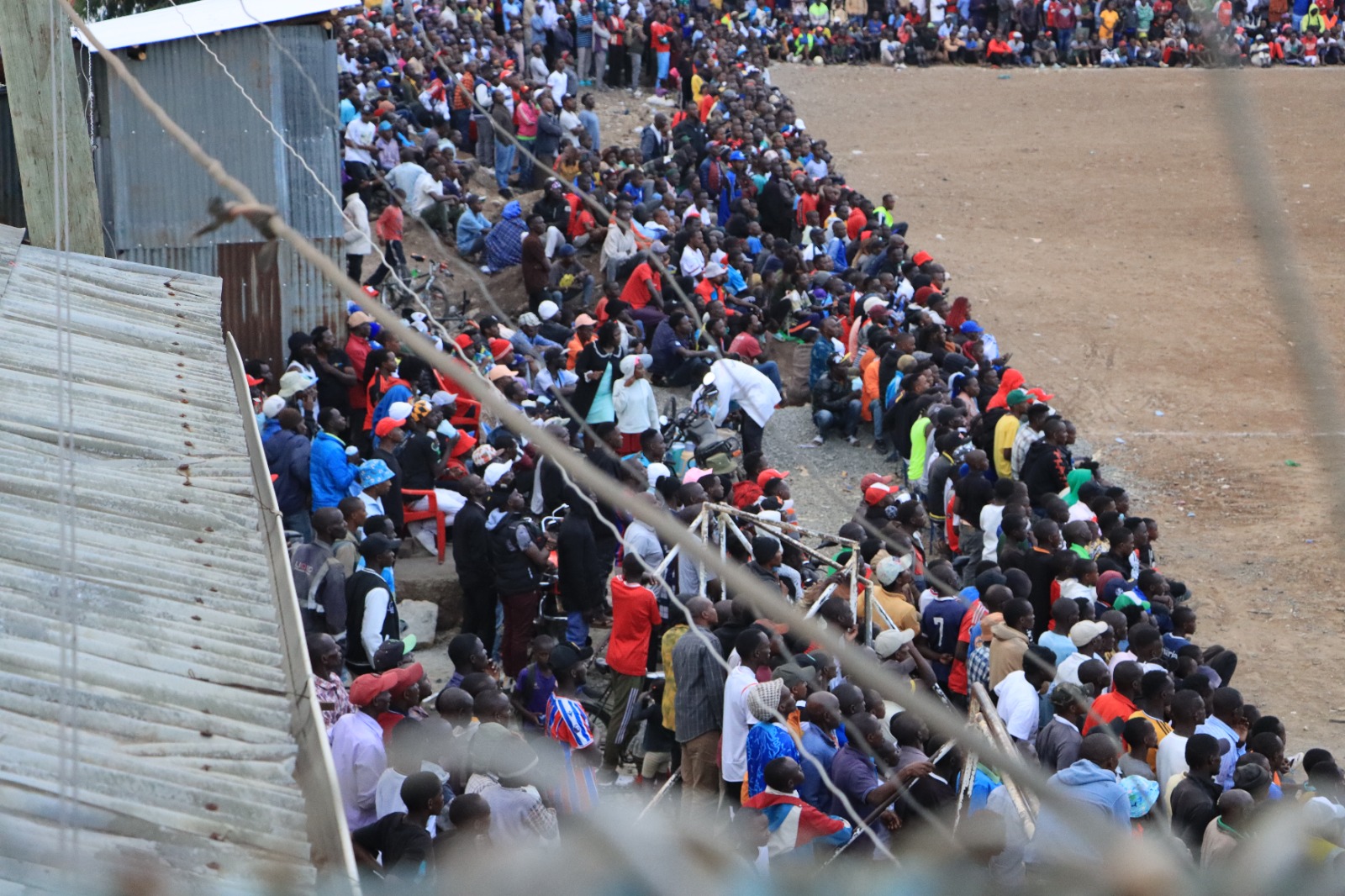
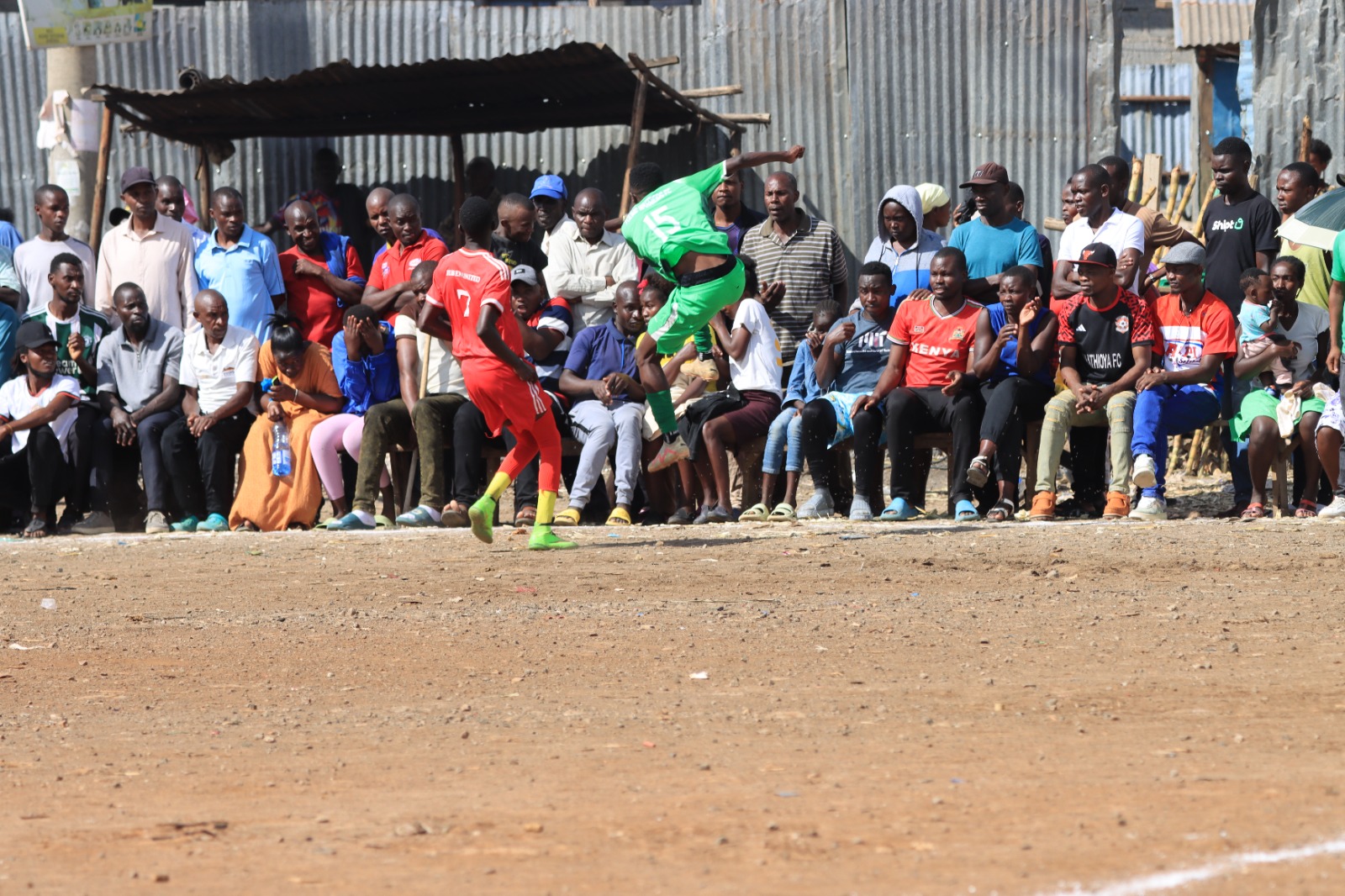
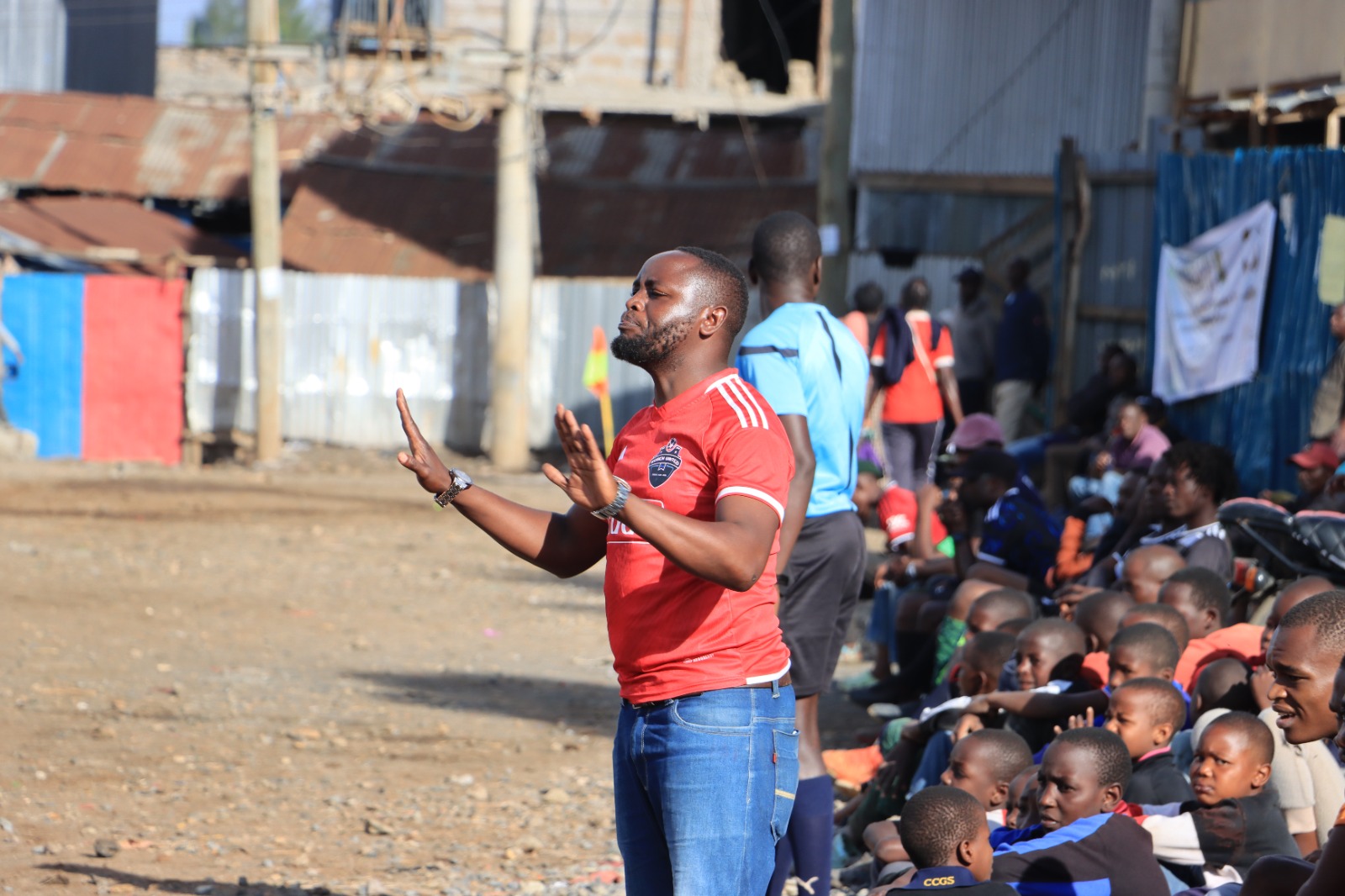
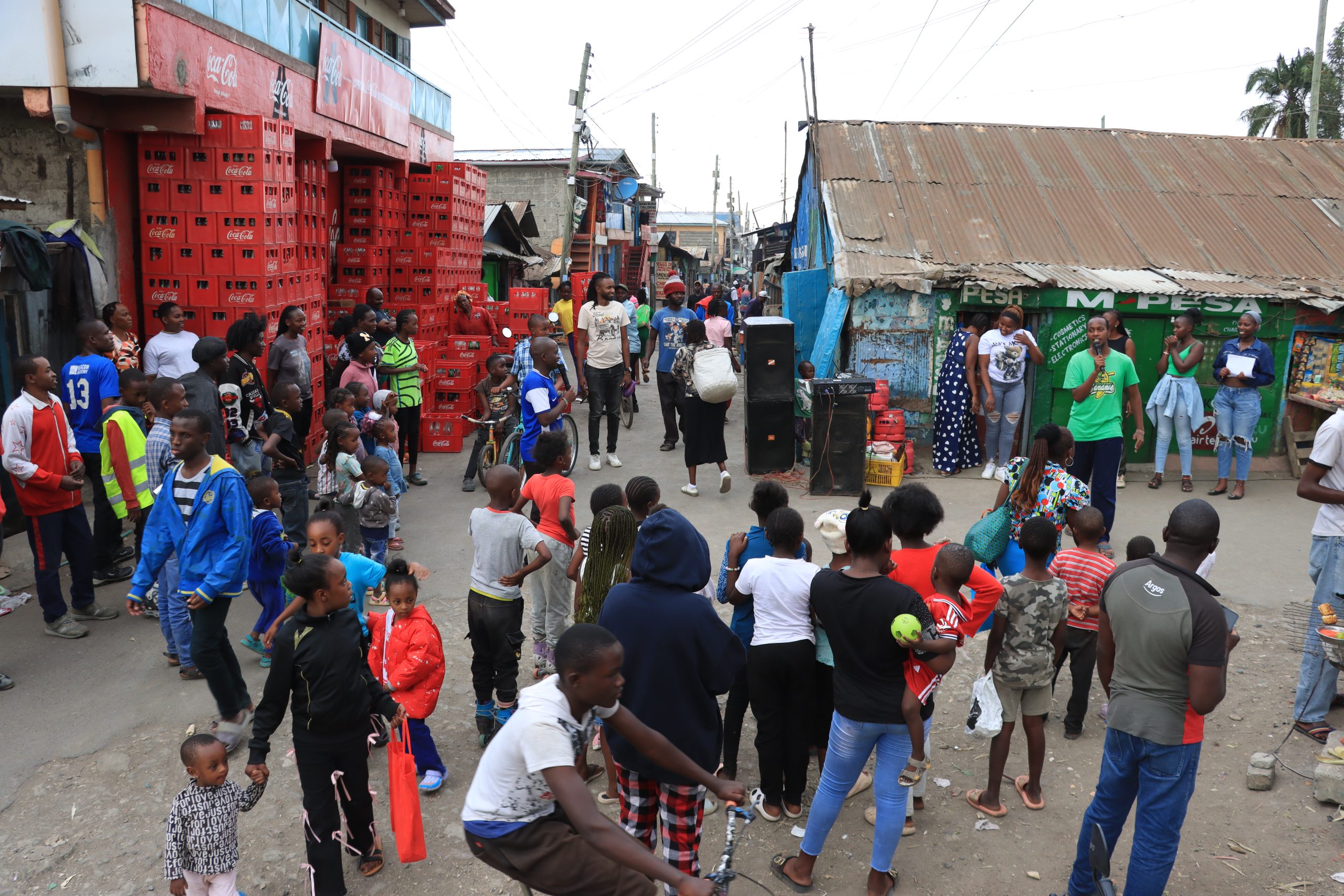
 Sports is more than just entertainment, competition and the pursuit of trophies. It is a powerful tool for bringing people together, promoting good governance, encouraging accountability and creating positive social change within communities. The recently concluded Ruben FM Tournament 2026 is a good example of how community sports can go beyond the football pitch. Through football, people from different backgrounds, neighbourhoods and social groups come together, interact, share experiences and build relationships that strengthen community unity.
But beyond the goals, victories and celebrations, there is a bigger conversation worth having: What role can sports play in promoting good governance and social accountability?
Sports as a Tool for Good Governance
Good governance is built on principles such as transparency, fairness, participation, integrity and accountability. Interestingly, these are also values that make sports successful. In football, teams expect fair play, referees are expected to be impartial, organisers must communicate clearly, and rules should apply equally to everyone. These principles reflect what citizens should expect from their leaders and public institutions. Just as players and teams must respect the rules of the game, leaders must respect the laws, policies and responsibilities that guide their leadership.
A football tournament can therefore become a platform for teaching communities the importance of fairness, discipline, responsible leadership and respect for established procedures.
Sports and Social Accountability
Social accountability means citizens taking an active role in demanding answers, monitoring public services and ensuring that leaders deliver on their promises. Community sports provide an opportunity to bring people together and create spaces where important social issues can be discussed. Through football tournaments, community meetings and public engagement activities, residents can raise concerns about unemployment, poor infrastructure, insecurity, inadequate healthcare, education and access to essential services.
Sports can also encourage young people to understand that leadership is not only about holding public office. It is about taking responsibility, participating in community activities and contributing to solutions. When young people organise tournaments, manage teams, resolve disagreements and work together towards a common goal, they develop leadership and accountability skills that can benefit society.
The Role of Young People
Young people are not just the future of this country; they are an important part of its present. Their voices, ideas and participation matter in shaping the communities they live in. Through sports, young people can find opportunities to showcase their talents, develop discipline, build networks and engage constructively with community leaders.
 However, sports should not only be used to keep young people busy. It should also provide them with opportunities to participate in decision-making, advocate for better services and contribute to community development. There is a need for more partnerships between sports organisations, media houses, community-based organisations, private sector players and government institutions to support grassroots talent and use sports as a vehicle for social transformation.
The Media’s Responsibility
Community media also has an important role to play in connecting sports with governance and social accountability. Beyond reporting match results, winners and individual performances, media platforms can use sports events to highlight community concerns, promote responsible leadership and give ordinary citizens an opportunity to share their views. This is where community radio stations such as Ruben FM can make a difference by using their platforms to encourage public participation, amplify community voices and promote conversations that lead to positive change.
A Bigger Lesson from the Ruben FM Tournament 2026
As the Ruben FM Tournament 2026 comes to an end, its success should not only be measured by the team that lifted the trophy. It should also be measured by the friendships created, the talents identified, the communities brought together and the lessons learned along the way. The tournament reminds us that meaningful community development does not always begin in government offices or conference rooms. Sometimes, it begins on a football pitch, where people come together with a common purpose.
 Ultimately, sports and governance share one important lesson: A successful society, just like a successful football team, requires teamwork, discipline, fairness, transparency and accountability. Let us continue using sports not only to entertain, but also to educate, unite, empower and hold ourselves and our leaders accountable. Because the real victory is not just lifting a trophy; it is building a community where everyone has a voice, everyone has a role and everyone has an opportunity to thrive.
By Moruri Denson.