FALSE: Photo does not show the drought situation in Embolioi, Kajiado County, in October 2022
 Admin
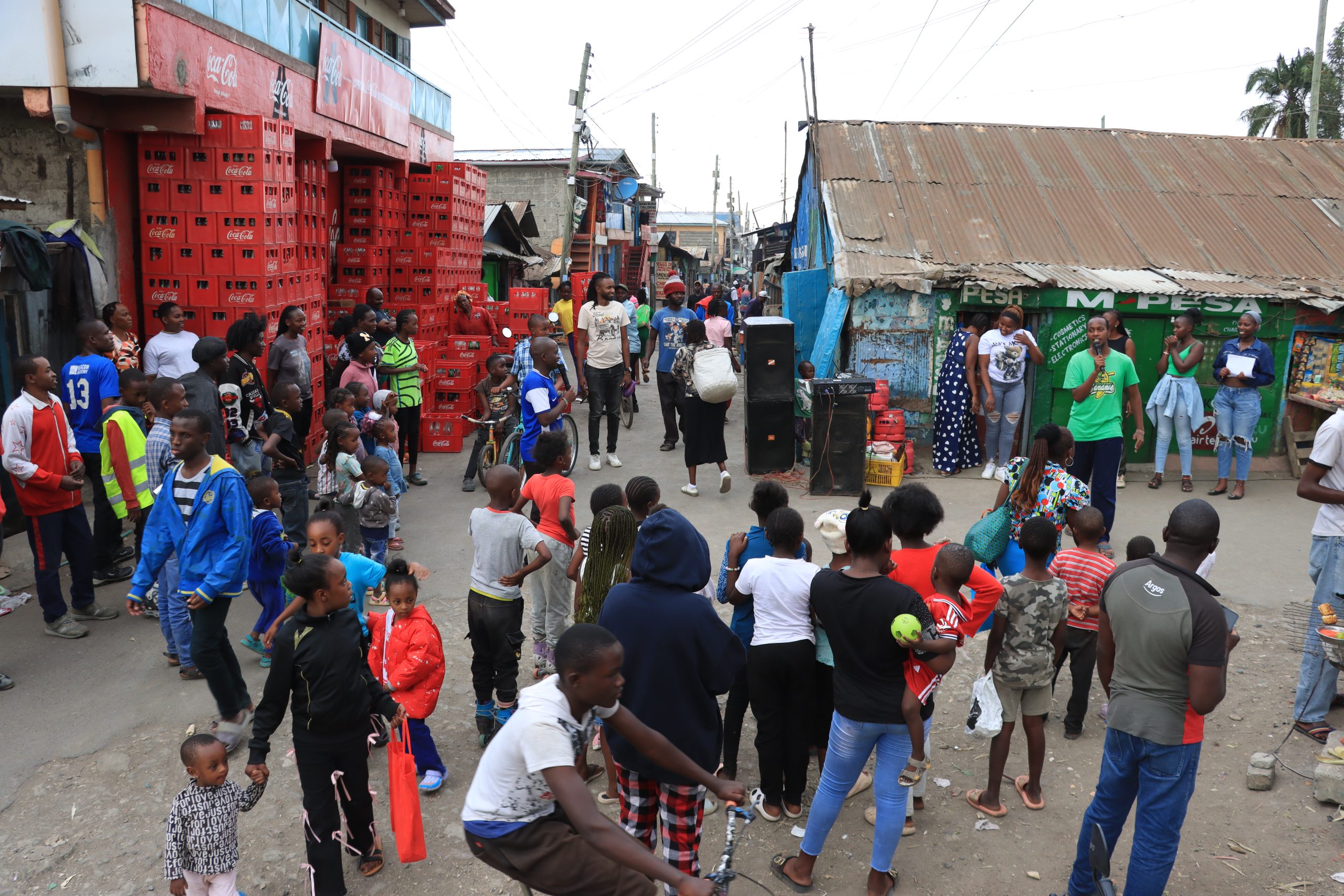
As schools prepare to close for the long holiday, concerns over the safety, protection and well being of children in Mukuru are once again coming into focus. For many children, the holiday presents an opportunity to rest, interact with friends and explore their talents. However, for others, the extended period away from school also exposes them to various risks, including child labour, exploitation, abuse, neglect and cases of missing children that have continued to raise concern within the community.
In an environment where many families face economic hardships and social challenges, keeping children engaged in meaningful and supervised activities during the holiday remains an important responsibility. Sports, particularly football, are increasingly becoming one of the platforms through which the Mukuru community is seeking to address these challenges. Beyond entertainment and competition, sports provide children with an opportunity to occupy their time productively, develop life skills, interact with positive role models and remain connected to a supportive community.
Over the years, Mukuru has experienced concerns surrounding child safety, with cases of children going missing continuing to worry parents and community stakeholders. According to cases documented and reported to Ruben FM, more than 150 missing child cases have been recorded, highlighting the need for stronger community based child protection interventions. While the circumstances surrounding these cases differ, the growing concern has prompted renewed conversations about what communities can do to prevent children from falling into dangerous situations.
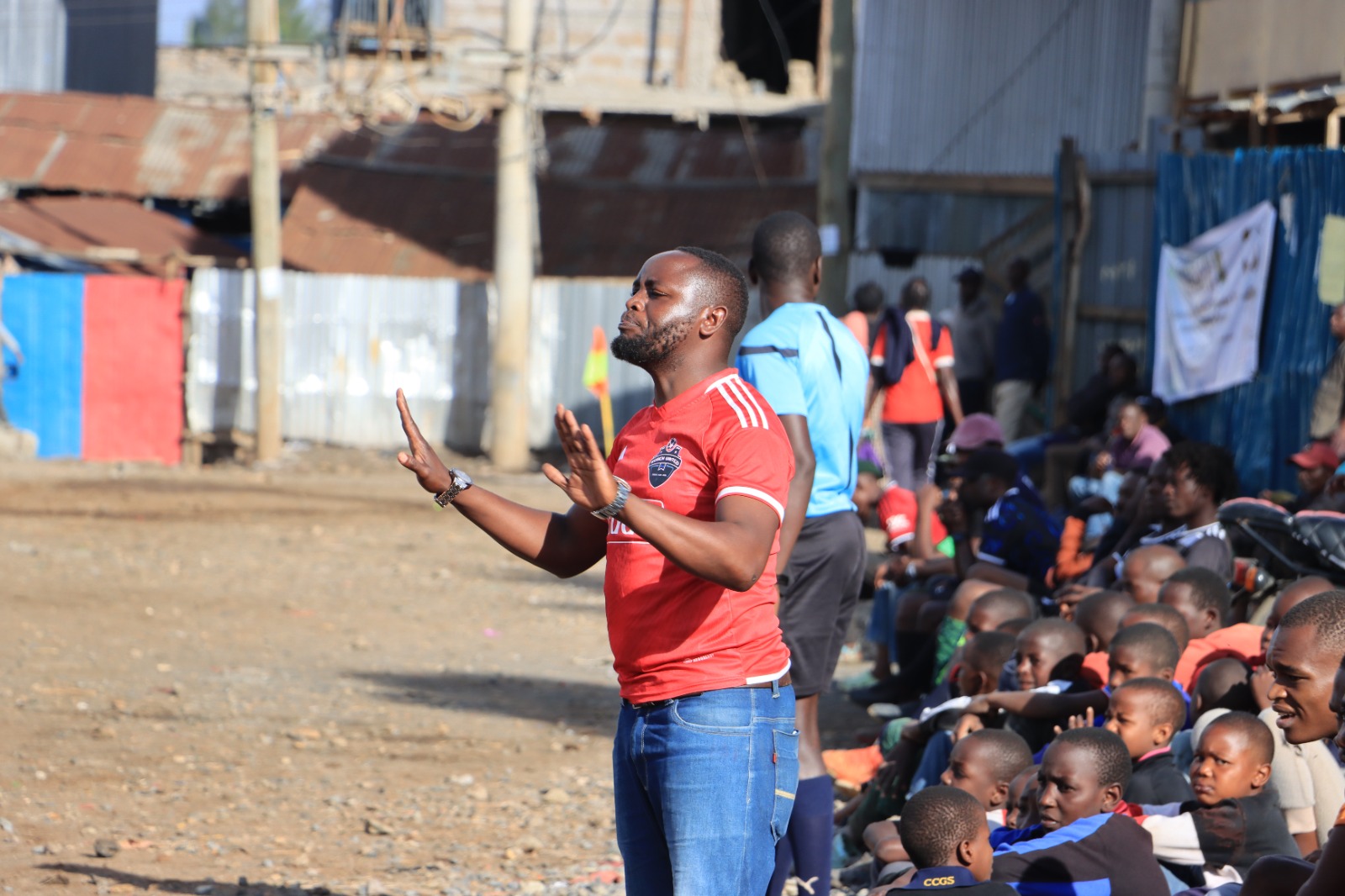
With schools closing for the holidays, local sports coaches believe organised sporting activities can play a significant role in keeping children safe. Ruben FM engaged three football coaches operating within Mukuru, namely Coach Jared, Coach Kim and Coach Kisolo, who shared their perspectives on the importance of sports in child protection and the need for increased participation during the long holiday.
Coach Jared, Sports provide children with direction, discipline and mentorship
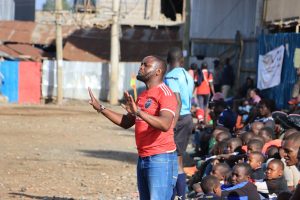 Coach Jared believes that sports offer children an opportunity to channel their energy into constructive activities instead of spending long hours in environments where they may be exposed to negative influences. He observes that school holidays come with increased responsibility for parents and the community because children have more free time and may lack structured activities to occupy them.
According to him, football is not simply about identifying talented players or preparing children for competitive tournaments; it is also about shaping responsible young people through discipline, teamwork and mentorship.
He emphasises that when children are brought together on the football pitch, they learn to respect one another, follow instructions, appreciate teamwork and understand the importance of responsibility. These lessons extend beyond the football field and can influence how they conduct themselves at home, in school and within the wider community.
Coach Jared further stresses the need for parents to embrace community sporting initiatives and allow their children to participate in organised activities during the holiday. He believes that keeping children engaged under the guidance of responsible coaches can help reduce their exposure to child labour, exploitation and other harmful activities.
Coach Kim, Sports can keep children away from exploitation and harmful environments
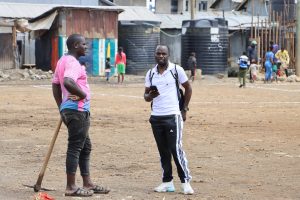 For Coach Kim, the conversation around sports and child protection should be taken seriously, especially in a community like Mukuru, where children face different social and economic challenges.
He believes that the long holiday should not be a period when children are left without guidance or meaningful activities. Instead, it should be an opportunity for parents, coaches and community organisations to work together to create safe spaces where children can learn, play and develop their talents.
Coach Kim points out that some children may find themselves exposed to exploitative situations when they spend extended periods roaming around the neighbourhood without proper supervision. Others may be drawn into activities that interfere with their development and expose them to abuse or manipulation.
He therefore views organised sports as a preventive approach that can help address some of these risks by giving children a sense of purpose and belonging.
He also calls upon parents and guardians to take an active interest in their children’s sporting activities, maintain communication with them and understand the people responsible for supervising them. In his view, child protection cannot be left to coaches alone; it requires the involvement of the entire community.
Coach Kisolo: The community must invest in sports to protect the next generation
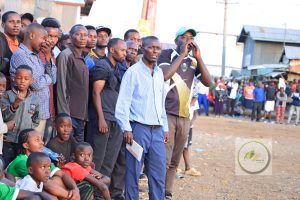 Coach Kisolo shares similar sentiments, emphasising that sports should be viewed as an important community investment rather than merely a recreational activity.
He believes that Mukuru has many talented children who only need opportunities, guidance and proper sporting structures to realise their potential. However, without consistent engagement and mentorship, some of these children risk spending their free time in environments that may expose them to harmful experiences.
He calls for increased support for grassroots sports programmes, particularly during school holidays, when children need alternative spaces for learning, interaction and personal development.
Coach Kisolo also underscores the importance of collaboration between parents, local coaches, community-based organisations, schools and other child protection stakeholders. He believes that organised sporting activities can create opportunities for identifying vulnerable children, understanding their challenges and linking them to the necessary support systems.
For him, the ultimate goal should not only be producing talented footballers but also raising responsible, disciplined and protected young people who can positively contribute to their families and society.
The sentiments shared by the three coaches point to a common message, sports can be an important entry point in addressing some of the child protection challenges facing Mukuru.
However, sporting activities alone cannot eliminate child labour, exploitation, abuse or cases of missing children. They must be supported by deliberate child protection measures, including proper supervision, safeguarding policies, responsible coaching practices, parental involvement and accessible reporting channels.
As children head into the long holiday, parents and guardians are encouraged to know where their children are, who they interact with and the activities they participate in. Coaches and sports organisers should also ensure that children are supervised, accounted for and protected from any form of abuse or exploitation while participating in sporting activities.
The more than 150 missing child cases documented through Ruben FM’s reporting serve as a reminder that child safety requires urgent and sustained attention. Every missing child represents a family experiencing uncertainty, fear and distress, and every effort towards prevention, reporting and community awareness matters.
Mukuru has an opportunity to turn the long holiday into a season of talent development, mentorship, inclusion and child protection. By investing in grassroots sports and strengthening community partnerships, the neighbourhood can create an environment where children are not only encouraged to play but are also supported to grow, learn and remain safe.
Ultimately, the responsibility of protecting children does not belong to parents alone, nor does it rest solely on the shoulders of coaches. It is a shared responsibility involving the entire community.
As schools close, the football pitches should open, the coaches should mentor, parents should remain vigilant and the community should stand together to protect every child.
REPORT BY ROBERT LEDIRA BOTERE