FALSE: Photo does not show the drought situation in Embolioi, Kajiado County, in October 2022
 Admin
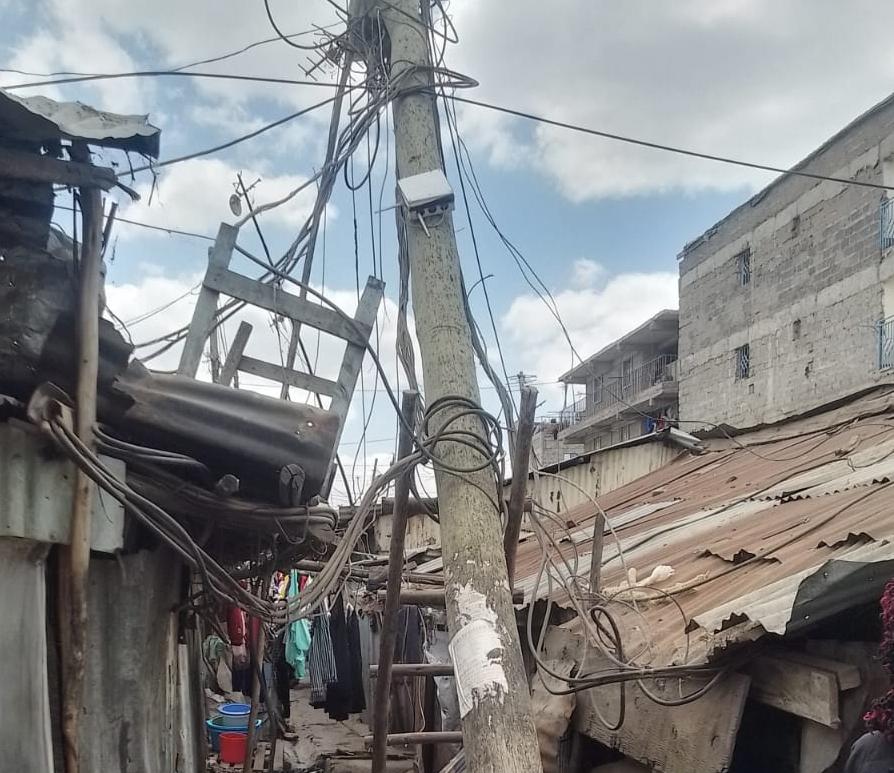
Admin In Mukuru, one of Nairobi’s largest informal settlements, teenage pregnancy remains an important public health and social concern. Despite the presence of health facilities, sexual and reproductive health education, family-planning services and organisations working with adolescents, some girls still become pregnant before the age of 20. This raises a critical question: if sexual and reproductive health services are available, why are teenage pregnancies still occurring?
The answer goes beyond the availability of health facilities. It touches on poverty, access to information, the cost of living, family relationships, sexual violence, peer pressure, limited parental guidance and whether adolescents can access services privately, safely and without judgment.
For a girl growing up in Mukuru, knowing that contraception exists does not necessarily mean she can obtain it. Knowing where a health facility is located does not guarantee that she feels safe discussing her sexual health with a nurse. And receiving information about preventing pregnancy does not automatically give her the power to negotiate condom use or refuse unwanted sexual advances.
Teenage pregnancy in Mukuru should therefore be understood not simply as a failure of sexual and reproductive health education, but as a complex social issue requiring the combined efforts of families, schools, health workers, community organisations, law enforcement and local leadership.
What the facts and data tell us about Mukuru
The concern is supported by research, although it is important to distinguish evidence of teenage pregnancy from evidence that cases are currently increasing.
A study published in 2026 examining unintended teenage pregnancies in Mukuru Kwa Njenga surveyed 311 adolescent girls. Among the respondents, 62.7% reported having experienced an unintended teenage pregnancy. The researchers identified limited contraceptive knowledge, restricted access to contraception, low household income, lack of discussions about protection and substance use as significant factors. This was a study of a particular sample, not a prevalence estimate for all girls in Mukuru.
Other figures help put the local challenge into perspective:
15%
National teenage pregnancy indicator
The 2022 Kenya Demographic and Health Survey reported that 15% of girls aged 15–19 had ever been pregnant.
Source: KNBS, 2022 KDHS
Kenya National Bureau of Statistics
18%
Nairobi County figure reported in research
A 2026 Mukuru Kwa Njenga study cited an 18% prevalence rate for Nairobi County. This is a different estimate from the national indicator and should be interpreted in its source context.
Source: Mukuru Kwa Njenga study
186
Teenage deliveries recorded at Ruben Health Centre
A 2020 report by Ruben Centre documented 186 deliveries among girls aged 12–19 out of 1,811 deliveries at its maternity unit since opening in May 2018.
Source: Ruben Centre, 2020
Ruben Centre
62.7%
Unintended pregnancy in the study sample
The finding from 311 adolescent respondents in Mukuru Kwa Njenga highlights the need to investigate prevention and access barriers.
These figures are not directly comparable: they cover different populations, periods and measures. In particular, the available evidence does not establish the current number of teenage pregnancies across all of Mukuru or prove that the rate is rising in 2026.
Why are pregnancies still occurring despite available services?
1. Poverty and economic vulnerability
In parts of Mukuru Kwa Njenga, families face competing demands for food, rent, school fees, transport and other basic needs. Some adolescents may enter relationships with older partners who offer money, food, clothes, airtime or assistance with school expenses.
Such relationships can create unequal power dynamics. A girl who depends financially on a partner may find it difficult to insist on condom use, refuse sex or leave a relationship she considers unsafe.
Poverty does not automatically lead to teenage pregnancy, and adolescents should not be portrayed as responsible for the economic circumstances surrounding them. However, economic vulnerability can reduce their ability to make independent decisions about their sexual and reproductive health. The 2026 Mukuru Kwa Njenga study identified low household income as a significant predictor of unintended pregnancy.
att: phcp-journal.org
2. Health services may exist without being genuinely adolescent-friendly
The presence of a health facility does not necessarily mean that every adolescent can use its services comfortably.
Some girls may fear being judged by health workers, questioned by adults or recognised by neighbours while seeking contraception. Others may not understand which methods are available, where to obtain them, or how to use them correctly.
For boys, reproductive health education may also be inadequate, leaving responsibility for preventing pregnancy disproportionately to girls.
The critical question for Mukuru is therefore not merely how many facilities offer reproductive health services, but whether adolescents can access confidential, affordable, respectful and reliable care when they need it. Research in informal urban settlements in Kenya has highlighted the importance of examining both health-service policies and the experiences of pregnant adolescents.
3. Sexual violence and unequal relationships
Teenage pregnancy cannot be discussed adequately without addressing sexual violence, coercion and the exploitation of minors.
Some pregnancies may result from relationships in which girls cannot freely consent or negotiate protection. Others may involve adults exploiting children who are financially vulnerable or lack adequate protection.
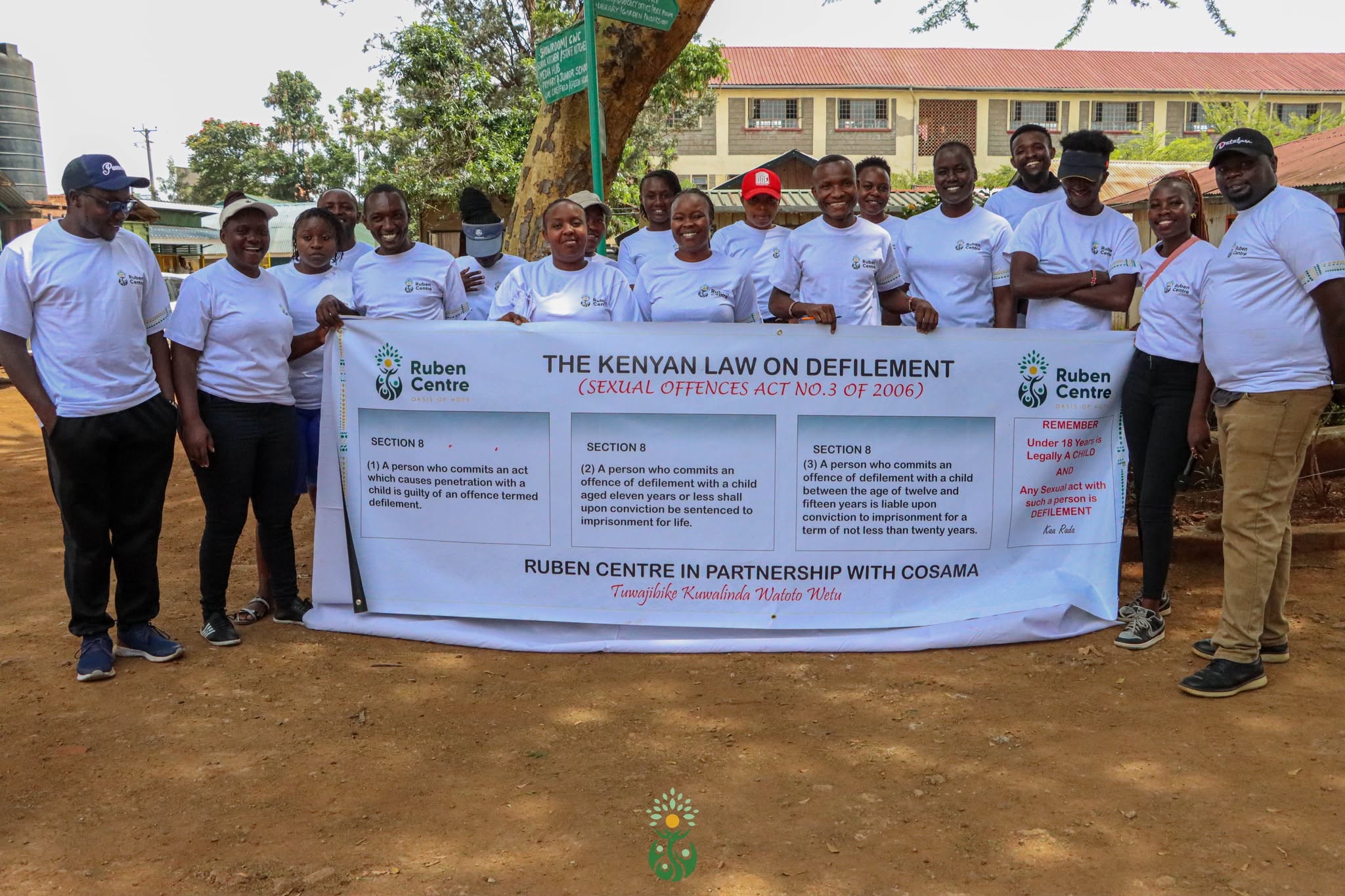
A pregnancy involving a girl below 18 should prompt careful assessment of the circumstances, including possible defilement or other offences under Kenyan law. Such cases require safeguarding, appropriate medical care and reporting through the proper child-protection channels.
For Mukuru, prevention must therefore include stronger child-protection mechanisms, accessible reporting channels, survivor-centred services and accountability for perpetrators. It is not enough to teach girls how to avoid pregnancy while ignoring the actions of those who exploit them.
4. Limited communication between parents and adolescents
In some households, discussions about sex, puberty, contraception and relationships remain taboo. Parents may fear that providing reproductive health information will encourage sexual activity, while adolescents may be too embarrassed to ask questions.
When reliable information is unavailable at home, young people may turn to friends, social media or partners. These sources can provide useful information, but they can also spread myths about contraception and pregnancy.
In densely populated neighbourhoods where families may be coping with demanding work schedules and financial pressure, consistent parental supervision and communication can also be difficult.
Parents do not need to abandon cultural or family values to discuss reproductive health. They can communicate their expectations while ensuring that children know how to recognise abuse, seek help and protect themselves.
5. Misinformation, peer pressure and substance use
Adolescents may believe that pregnancy cannot occur during a first sexual encounter, that certain days are always safe, or that contraceptives cause permanent infertility. Others may avoid contraception because of rumours or fear of side effects.
Peer pressure and alcohol or other substance use can further affect decision-making, particularly where young people are exposed to unsafe relationships.
The 2026 Mukuru Kwa Njenga study identified misinformation and substance use, particularly alcohol use, among the factors associated with unintended pregnancy.
This calls for practical education rather than one-off awareness campaigns. Young people need opportunities to ask questions, understand different contraceptive methods, learn about consent and practise how to seek help without shame.
6. School disruption and the cycle of vulnerability
When girls miss school because of pregnancy, caregiving responsibilities or financial difficulties, returning to education may become challenging. Some may lack childcare, school fees, family support or a clear pathway back to class.
The resulting loss of education can limit future employment opportunities and deepen household poverty. A young mother may then struggle to provide for her child, creating pressures that affect the next generation.
A May 2026 report by The Star profiled a young mother from Mukuru kwa Ruben who became pregnant at 16 while in Form Two and faced difficult choices about continuing her education because of her family’s financial situation. The story illustrates an individual experience rather than a measure of how common the problem is.
Preventing teenage pregnancy and supporting those who have already become mothers must go hand in hand. Young mothers need opportunities to return to school, access childcare and receive non-discriminatory health services.
What needs to change in Mukuru?
The evidence suggests that interventions should go beyond simply increasing the number of awareness sessions.
-
Strengthen youth-friendly health services: Assess whether adolescents can obtain contraception, counselling and accurate information confidentially and without judgment.
-
Engage boys and men: Make responsibility for consent, contraception and preventing pregnancy a shared responsibility.
-
Address sexual exploitation: Improve child-protection referrals, survivor support and action against adults who exploit minors.
-
Support parents and caregivers: Promote age-appropriate conversations about puberty, relationships, consent and reproductive health.
-
Protect education: Help pregnant adolescents and young mothers continue or resume their studies.
-
Reduce economic vulnerability: Connect at-risk adolescents and young families with appropriate social protection, mentorship and livelihood support.
-
Improve local data: Work with health facilities, schools, community organisations and adolescent representatives to establish reliable, privacy-protecting data on pregnancies, service access and school re-entry.
The real question for Mukuru………..
Teenage pregnancy persists when the information provided to young people does not translate into the power, resources and protection they need to make safe decisions. Mukuru’s experience suggests that economic vulnerability, contraceptive misinformation, barriers to adolescent-friendly services and unequal relationships deserve particular attention.
The community now needs to move from asking whether sexual and reproductive health services exist to asking whether those services are reaching adolescents effectively, whether young people trust them and whether the underlying causes of unintended pregnancy are being addressed.
REPORT BY : ROBERT LEDIRA BOTERE,
AWARD WINNING JOURNALIST